Education
Pairing Water with Food: A Beginner's Guide to Water and Cuisine Matching
Learn how to elevate your dining experience by pairing the right mineral water with different cuisines. Discover tips for matching mineral content and carbonation levels with your favorite dishes at home.
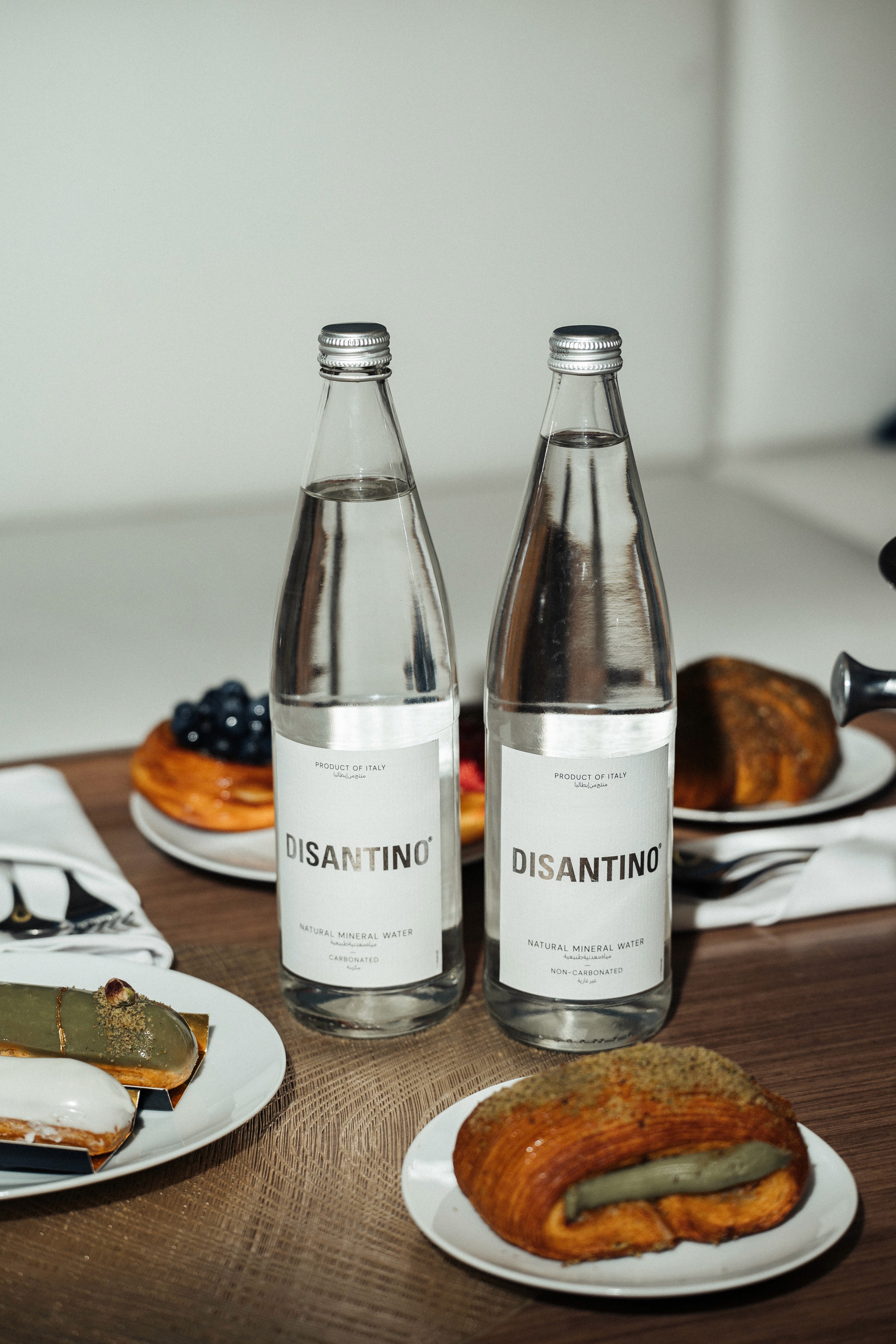
Just as wine sommeliers carefully select beverages to complement each course, water pairing has become an essential element of fine dining. The mineral content (TDS), pH level, and carbonation of water can dramatically enhance or diminish the flavors of your meal. Here's how to master the art of matching water with food at home.
Understanding Water Characteristics for Pairing
Before diving into specific pairings, it's vital to understand the key characteristics that affect how water interacts with food.
Mineral Content (TDS)
Total Dissolved Solids (TDS) measures the concentration of minerals, salts, and organic compounds in the water, which directly impacts its taste and body.
Low Mineral Content (below 100 mg/L TDS): These waters offer a supremely clean, neutral palate that acts as a blank slate. They won't interfere with the most delicate flavors.
Moderate Mineral Content (150-400 mg/L TDS): These waters provide a more robust profile with a balanced taste. They are versatile and can stand up to moderately rich dishes.
High Mineral Content (above 400 mg/L TDS): These waters often have a distinct, even savory, flavor profile. They are best reserved for heavy, rich, or complex meals.
Specific Minerals and Texture
The type of mineral gives water a unique texture and flavor:
Bicarbonates: High bicarbonate content often gives water a pleasingly soft, velvety mouthfeel. This pairs well with creamy or buttery dishes.
Calcium and Magnesium: These minerals contribute to the water's overall body and complexity, adding a subtle density that supports heavy sauces.
Sodium: While necessary, high sodium can give water a distinct savory or salty taste and should be avoided with certain delicate foods.
pH and Carbonation
Still Water (Neutral pH): Still water has a neutral or slightly alkaline pH and focuses solely on the mineral profile and texture, allowing the subtle nuances of delicate food to shine without competition.
Carbonated Water (Mild Acidity): When carbon dioxide is dissolved in water, it creates carbonic acid, resulting in mild acidity.
Functional Acidity (e.g., pH 5.7): Our carbonated water, with a pH of 5.7, uses this mild acidity as a powerful palate cleanser. This pH helps to chemically cut through and balance the fat, richness, and saltiness of heavier foods, ensuring your taste buds are refreshed for the next bite. The acidity works hand-in-hand with the physical "scrubbing" action of the bubbles.
Pairing Water with Different Cuisines
Cuisine Category | Water Recommendation | Why It Works |
|---|---|---|
Japanese | Still, Ultra-low Mineral Water | The delicate umami and subtle flavor of raw fish require water that is absolutely neutral and cleanses the palate without interference. |
Italian and Mediterranean | Moderate Mineral, Lightly Sparkling Water | The mineral complexity (often calcium-rich) supports tomato bases and olive oil. Light effervescence and mild acidity cut through the richness of cheeses and oils. |
Middle Eastern | Moderate Mineral, Still or Lightly Sparkling Water | The natural minerals (TDS) help support the intensity and complexity of bold flavors and aromatics (cumin, coriander, etc.) and rich ingredients (lamb, nuts). Lightly sparkling offers a gentle acidity (e.g., pH 5.7) to balance fats without overwhelming the layered flavors. |
French Fine Dining | Moderate-to-High Mineral, Bicarbonate-Rich Water | Buttery sauces and complex reductions benefit from a water with a velvety texture to complement the richness. Still water is often preferred for delicate preparations. |
Practical Tips for Home Dining
Start your meal with water at the appropriate temperature; cool but not ice-cold, around 10-12°C. Extreme cold temperatures numb the palate and prevent you from appreciating both the water and food flavors.
Temperature Matters: Serve water cool, but not ice-cold, ideally around 10-12°C (50-54°F). Extreme cold numbs the palate, preventing you from appreciating both food and water flavors.
Carbonation Choice:
Still water is your best choice for light proteins (oysters, white fish) and light salads.
Lightly sparkling water excels with fatty foods (salmon, duck) as the gentle bubbles refresh the palate.
Serve in Proper Glassware: Use clear, stemmed glasses to appreciate the water's clarity and, if sparkling, the quality of its bubbles.
Become a Label Detective: To master pairing, look for the TDS number on the label. This number is your most immediate guide to selecting the right mineral level for your meal.
Creating Your Own Pairing Guidelines
The best way to develop your water pairing skills is through experimentation. Start by tasting different mineral waters on their own, noting their characteristics: Is it soft? Is it savory? Does it feel heavy on your tongue?
Then try the same waters with various foods, paying attention to how they enhance or detract from the flavors. Keep notes on successful pairings and trust your palate. Personal preference plays a significant role in water pairing, and what works for one person may differ for another. The goal is simply to add another dimension of sophistication and enjoyment to every course on your table.