Education
Mineral Water vs Spring Water: Understanding the Critical Differences That Define Quality
Discover the key differences between mineral water and spring water, including regulatory definitions, mineral content requirements, and source characteristics. Learn why these distinctions matter for quality and health benefits.

In the world of natural hydration, two terms often create confusion among consumers and even industry professionals: mineral water and spring water. While both represent natural water sources, they have distinct definitions, characteristics, and regulatory requirements that significantly impact their quality, taste, and health benefits.
Understanding these differences is crucial for making informed hydration choices, especially when seeking water that delivers both purity and natural mineral content.
The Fundamental
Mineral Water: Chemistry Defines the Category
Mineral water is defined primarily by its mineral content rather than its source location. According to international standards, true mineral water must contain a minimum level of naturally occurring minerals, with consistent mineral composition from its protected underground source.
This water originates from geologically protected underground formations and maintains stable mineral content over time. The mineral profile cannot be artificially altered. What nature provides through geological filtration is what reaches the consumer.
Spring Water: Source Location Takes Priority
Spring water, by definition, comes from underground formations where water flows naturally to the surface or is collected via boreholes that tap the underground formation feeding the spring. The key requirement is the source mechanism (natural flow to the surface) rather than specific mineral content.
Spring water can have varying mineral levels, from very low to quite high, depending on the geological characteristics of its source region.
Critical Regulatory Distinctions
Mineral Content Requirements
Mineral Water:
Minimum naturally occurring mineral content required
Consistent mineral composition required
Cannot have minerals artificially added or removed
Must demonstrate stable mineral profile over time
Spring Water:
No minimum mineral content requirement
Can range from very low to very high mineral content
Mineral levels may vary seasonally or over time
Focus on source integrity rather than mineral consistency
Source Protection Standards
Both water types require protected sources, but the emphasis differs:
Mineral Water Sources:
Must be geologically protected from contamination
Emphasis on maintaining consistent mineral composition
Underground sources with extended contact time with rock formations
Requirements for demonstrating mineral stability
Spring Water Sources:
Must be naturally occurring springs
Protection focuses on preventing contamination of the spring source
Can include sources with varying underground residence times
Emphasis on natural flow characteristics
Quality and Health Implications
Mineral Content Benefits
Mineral Water Advantages:
Guaranteed minimum mineral content for health benefits
Consistent electrolyte profile supports reliable hydration
Natural minerals like calcium, magnesium, and potassium in meaningful concentrations
Stable pH levels due to consistent mineral buffering
Spring Water Considerations:
Variable mineral content means unpredictable health benefits
Some spring waters may have minimal mineral content
Quality depends heavily on specific source characteristics
May require water analysis to understand mineral profile
Taste and Consumer Experience
The mineral content difference creates distinct taste profiles:
Mineral Water: Typically offers more pronounced, consistent flavor characteristics due to guaranteed mineral content. The taste reflects the geological journey and mineral acquisition process.
Spring Water: Taste varies significantly based on source. Some spring waters taste very light and neutral, while others may have distinctive mineral flavors.
Common Market Confusion
Misleading Marketing
Many brands use "mineral-rich spring water" or similar terminology, which can confuse consumers. This phrasing suggests spring water with high mineral content, but without regulatory requirements for mineral minimums, the actual mineral content may be quite low.
Geographic Variations
Different countries and regions may have varying definitions and standards for both mineral water and spring water, adding to consumer confusion when comparing international brands.
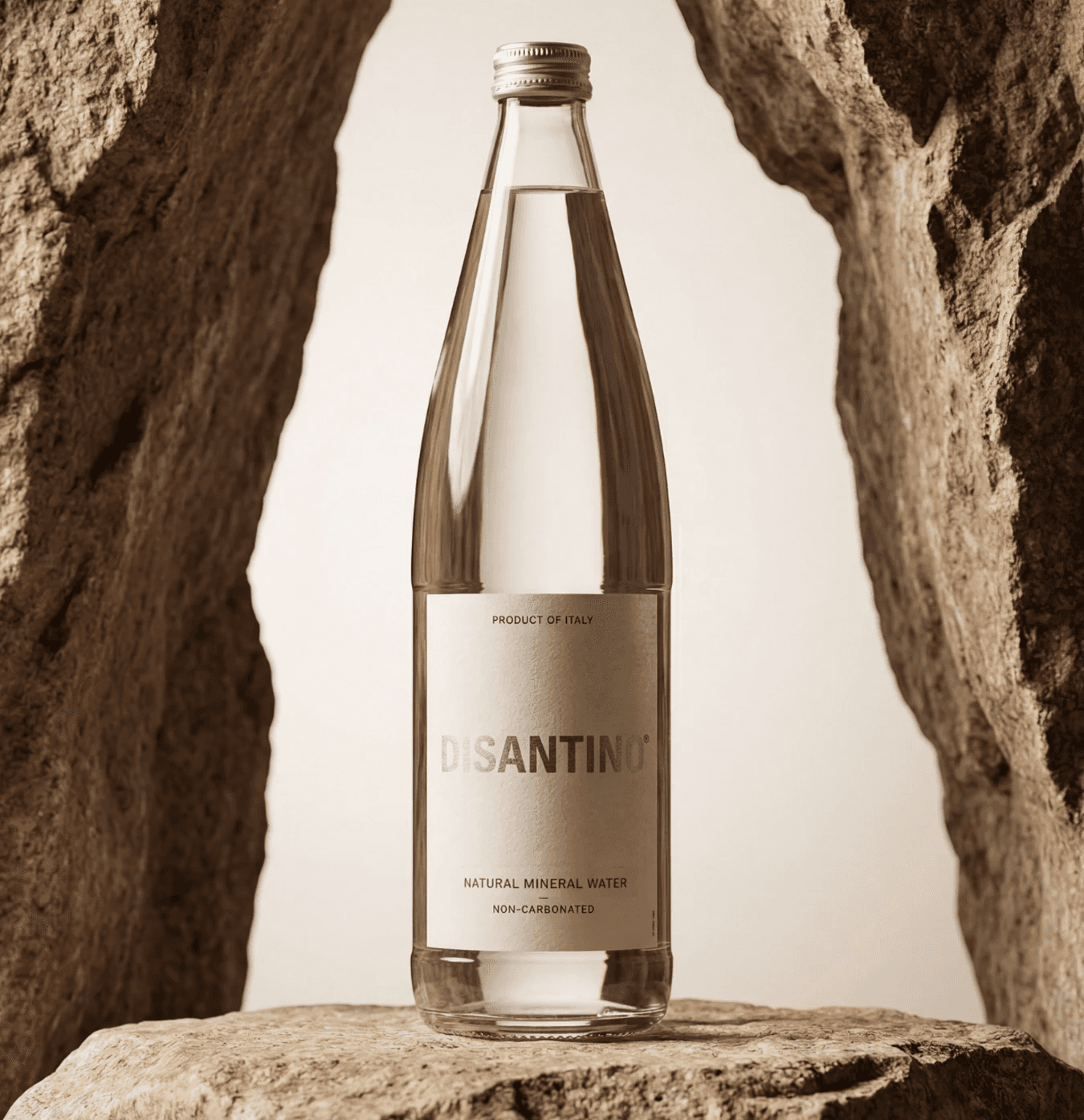
The DISANTINO Approach: Naturally Filtered Mineral Water
DISANTINO sources naturally filtered mineral water from protected underground formations in Italy's Apennine Mountains. This classification ensures:
Guaranteed mineral content: Meeting mineral water standards for health benefits
Natural filtration process: 30-month journey through ancient rock formations
Consistent quality: Stable mineral composition from geological protection
Authentic taste: Mineral complexity that reflects true geological origin
Making Informed Choices
Choose Mineral Water When:
You want guaranteed mineral content for health benefits
You prefer consistent taste and mineral profile
You seek reliable electrolyte content for active lifestyles
You value regulatory standards for mineral content
Choose Spring Water When:
You prefer lighter, more neutral-tasting water
Mineral content is less important to your hydration goals
You want water from specific geographic spring locations
You prefer minimal mineral taste
Beyond Marketing: Understanding True Quality
The distinction between mineral water and spring water goes far beyond marketing terminology. These categories represent fundamentally different approaches to natural water sourcing, with mineral water emphasizing consistent mineral content and spring water focusing on source authenticity.
For consumers seeking both natural sourcing and meaningful mineral content, understanding these definitions helps identify products that deliver genuine health benefits rather than just natural marketing appeals.
The Future of Water Clarity
As consumer awareness grows, the industry moves toward clearer labeling and more transparent communication about water sources and mineral content. Understanding the difference between mineral water and spring water empowers consumers to make choices that align with their health goals and quality expectations.
Whether you choose mineral water for its guaranteed mineral content or spring water for its source characteristics, the key is understanding what each category truly offers and what it doesn't.
Discover the exceptional mineral content and natural filtration of DISANTINO's naturally filtered mineral water, where ancient Italian geology creates the perfect balance of purity and mineral complexity.