Wellness & Lifestyle
The Art of Water Tasting: How to Appreciate Mineral Water Like a Sommelier
Discover the sophisticated world of water tasting and learn how to appreciate the subtle complexities of naturally filtered mineral water. From understanding mineral profiles to recognizing mouthfeel, elevate your hydration experience with techniques used by professional water sommeliers.
Just as wine enthusiasts swirl, sniff, and savor their favorite vintages, a growing community of connoisseurs approaches water with the same level of sophistication and appreciation. The emergence of professional water sommeliers in fine dining establishments worldwide signals a fundamental shift in how we understand this essential element.
Water is not simply water. Each source tells a unique geological story through its mineral composition, pH balance, and taste profile. Learning to appreciate these differences transforms hydration from a mundane necessity into a refined sensory experience.
Understanding the Water Sommelier Movement
Water sommeliers have emerged in Michelin-starred restaurants across Europe, Asia, and North America, carefully pairing waters with specific dishes to enhance the dining experience. These professionals understand that water's mineral content, carbonation level, and taste profile can complement or detract from food, much like wine pairings.
The practice recognizes what many have overlooked: water has terroir. Just as wine reflects the soil, climate, and geography of its vineyard, mineral water embodies the geological characteristics of its underground source.
The Five Elements of Water Tasting
1. Visual Examination
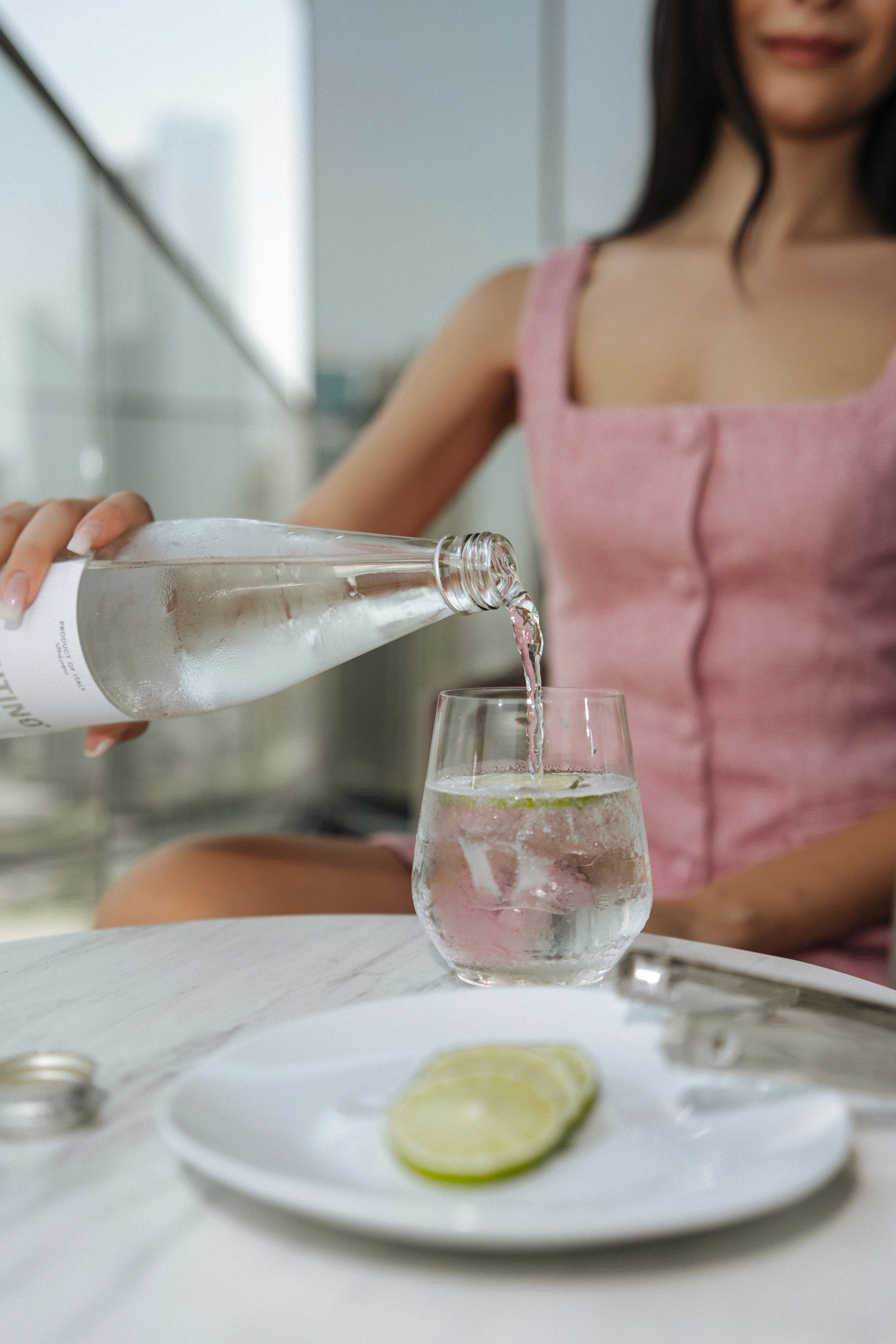
Begin your tasting by observing the water in clear glassware under good lighting. High-quality mineral water should be crystal clear, free from any cloudiness or particles. While clarity might seem simple, it reflects the purity of the source and the care taken during bottling.
For naturally carbonated waters like DISANTINO's The Pulse, observe the bubble structure. Fine, persistent bubbles indicate natural carbonation, while larger, more aggressive bubbles often signal artificial CO2 injection.
2. Aroma Assessment
Yes, water has aroma, though it's subtle. Pour the water into a glass and bring it close to your nose. Quality mineral water may present delicate mineral notes or a fresh, clean scent reminiscent of rain on stone.
The absence of any chlorine, plastic, or stale odors indicates proper sourcing and packaging. Glass bottles preserve water's natural character better than plastic, which can impart unwanted flavors over time.
3. Taste Profile
The most complex element of water tasting involves understanding taste components:
Mineral Character: Natural mineral water carries flavors derived from its geological journey. Calcium can provide a slightly chalky or smooth sensation. Magnesium often contributes a subtle hint of sweetness or slight bitterness. Sodium, in balanced amounts, can enhance overall flavor perception without tasting salty.
Sweetness vs. Bitterness: While water shouldn't taste overtly sweet or bitter, mineral composition creates subtle variations on this spectrum. Well-balanced mineral water achieves harmony between these elements.
Clean Finish: Quality mineral water should leave your palate refreshed and clean, with no lingering aftertaste or coating sensation. This clean finish is what makes naturally filtered mineral water an excellent palate cleanser between courses.
4. Mouthfeel and Texture
Mouthfeel describes how water feels in your mouth, an often overlooked but crucial aspect of the tasting experience:
Body: Mineral content gives water body or weight. Higher mineral content typically creates a fuller, more substantial mouthfeel, while lower mineral content produces a lighter sensation.
Smoothness: The way water flows across your palate indicates quality. Naturally filtered mineral water that has traveled through ancient rock formations often exhibits remarkable smoothness, lacking the harsh edges of heavily processed alternatives.
Temperature: Serve mineral water at 50-55°F (10-13°C) for optimal tasting. Too cold masks subtle flavors; too warm can seem flat or unappealing.
5. The Finish and Aftertaste
After swallowing, pay attention to what lingers. Quality mineral water should leave you feeling refreshed and naturally wanting another sip. The finish should be clean without any metallic, chemical, or stale notes.
Natural mineral water often has a pleasant, slightly mineral aftertaste that fades quickly, leaving your mouth feeling cleansed and hydrated.
Understanding Mineral Profiles
Different mineral waters offer distinct profiles based on their geological sources:
Calcium-Rich Waters: Provide a smooth, sometimes slightly chalky mouthfeel. Beneficial for bone health and muscle function.
Magnesium-Forward Waters: May present subtle sweetness or slight bitterness. Support cardiovascular health and energy production.
Balanced Mineral Waters: Like DISANTINO, offer harmonious mineral composition where no single element dominates, creating a refined, sophisticated taste that pairs well with virtually any cuisine.
Bicarbonate Waters: Often have a slightly sweet, smooth character and naturally higher pH levels.
Pairing Water with Food
Professional water sommeliers follow principles similar to wine pairing:
Delicate Dishes: Light, still mineral water with subtle mineral content complements seafood, white fish, and delicate vegetables without overwhelming their flavors.
Rich, Fatty Foods: Naturally carbonated mineral water cuts through richness, cleansing the palate. The effervescence of naturally carbonated water like The Pulse refreshes between bites of butter-rich sauces or fatty meats.
Spicy Cuisine: Still water with balanced mineral content soothes heat better than carbonated options, which can intensify spice perception.
Multi-Course Menus: Alternate between still and sparkling as courses progress, using sparkling water to reset the palate before transitioning between flavor profiles.
Creating Your Water Tasting Experience
To develop your palate and appreciation for mineral water:
Comparative Tasting: Sample different mineral waters side by side. Notice variations in taste, mouthfeel, and finish. This direct comparison sharpens your ability to detect subtle differences.
Temperature Experimentation: Try the same water at different temperatures to understand how temperature affects flavor perception.
Food Pairing Practice: During meals, consciously note how your water choice affects your perception of food. Does it enhance, complement, or detract from the dish?
Mindful Hydration: Rather than drinking water mindlessly, take a moment to appreciate its characteristics. This mindfulness enhances both your tasting skills and your hydration habits.
The DISANTINO Tasting Profile
DISANTINO's naturally filtered mineral water, shaped by its 30-month journey through Italy's Apennine Mountains, presents a refined tasting experience:
Visual: Crystal clear with exceptional transparency, reflecting its natural filtration through ancient rock formations.
Aroma: Clean and fresh with subtle mineral notes, free from any artificial or chemical scents.
Taste: Balanced mineral composition creates a harmonious flavor profile. Neither too light nor too heavy, with natural minerals providing character without overwhelming the palate.
Mouthfeel: Smooth and refined, with a pleasant body that reflects its extended contact with Pleistocene clay and Milazzian sandstone.
Finish: Clean and refreshing, leaving the palate prepared for the next taste, whether another sip of water or a bite of food.
For those preferring sparkling water, The Pulse offers naturally occurring carbonation with fine, persistent bubbles that create a sophisticated effervescence distinct from artificially carbonated alternatives.
Elevating Your Daily Ritual
The art of water tasting isn't reserved for formal occasions or professional sommeliers. By developing your palate and appreciation for quality mineral water, you transform every moment of hydration into an opportunity for mindful enjoyment.
In Dubai's luxury hospitality and fine dining scene, where attention to detail defines excellence, the ability to appreciate and discuss water adds another dimension to sophisticated dining experiences.
Whether you're hosting guests, dining at a Michelin-starred restaurant, or simply enjoying a quiet moment at home, approaching your water choice with the same consideration given to wine selection elevates the ordinary into the extraordinary.
Experience the refined complexity of DISANTINO's naturally filtered mineral water, where 30 months of geological filtration creates a taste profile worthy of the world's most discerning palates.